Hello, everyone! Welcome to another entry from Alice in Wonderland! The blog in which I analyze and discuss the way women are portrayed in mythology! Last time we discussed Hel: The Goddess of Death, a strong, life-reaping giantess who took names and kicked ass. Let’s take a bit more of a gentler and romantic approach with today’s post, dedicated to Aphrodite: The Goddess of Love!
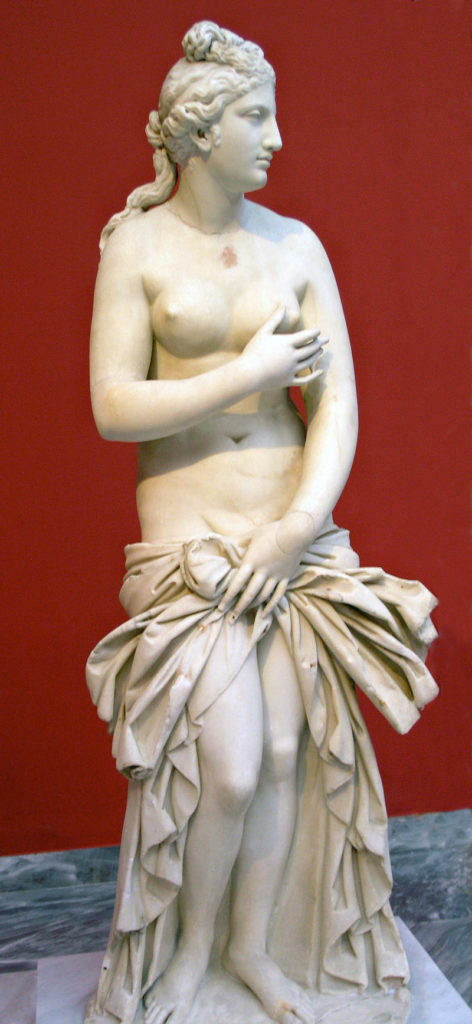
Aphrodite was the embodiment of beauty and love back when she was well worshiped. She represented the Greek sexuality and was known as the most beautiful goddess out there. Which I guess it’s kind of an oxymoron if you’re the goddess of beauty, but I digress. Her origin first starts when Cronus the titan slays her father Uranus and tosses his genitals into the ocean (weird, I know, but Greek was like that). But it wasn’t long until Aphrodite merged from the sea foam of Paphos on the island of Cyprus. She was so gorgeous that it was said that men would start wars over her. Aphrodite was quite the man-killer, though, having multiple lovers of both god and mortal. Most notable spouses were Hephaestus, Ares, Adonis, and Anchises.
Now the more weirder side is that not only was Aphrodite in love with Adonis, but she was also his surrogate mother. Which is…INCREDIBLY strange. For those who don’t know: a Surrogate Mother is a woman who volunteered to give birth to another couple’s son, be that via her own egg or by a transplanted uterus. Since I’m sure there was no transplantation surgery in the Greek age, it’s safe to assume the first situation is what happened. Greek seemed to of had a weird obsession with incest, like I’m telling you it’s present in almost every legend. But that’s besides the point.
Aphrodite represents the more feminine and gorgeous side of women, their sensuality. And while this is a very great quality of women, men tend to make it their only quality, tis why there’s just so many “damsels in distress” in media. To quote a favorite movie of mine: “Ladies don’t start fights, but they can sure end them.”
Thank you for reading! Join me next post where we look at the Goddess of Wisdom and Knowledge: Athena!

 Alice in Wonderland